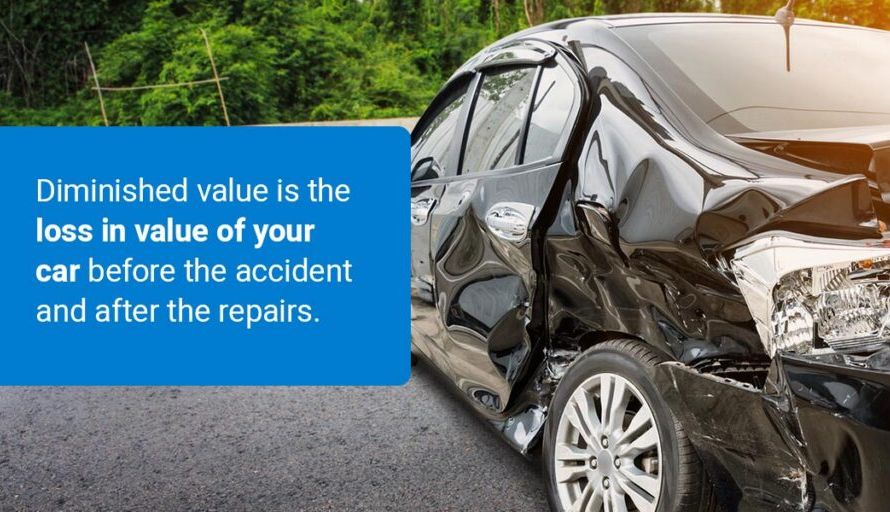
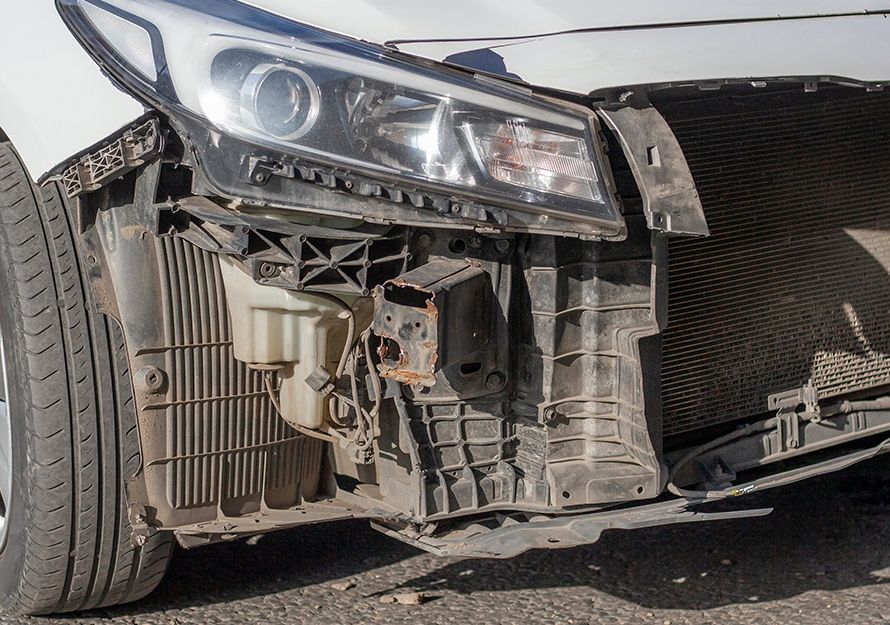
Getting into a car accident is stressful enough—but dealing with the inconvenience of being without a vehicle during repairs adds another layer of frustration. That’s where rental car coverage comes in. Whether you’re at fault or not, understanding your rights and options for a rental vehicle during the repair process can save you time, money, and confusion. In this guide, we break down how rental car coverage works, when you’re entitled to it, and how to make sure you’re not left stranded.
What Is Rental Car Coverage?
Rental car coverage, also known as rental reimbursement, is an optional add-on to your auto insurance policy that helps pay for the cost of a rental vehicle while your own car is being repaired after a covered loss. It typically covers a daily rental fee for a limited number of days, up to a specified maximum amount. For example, your policy might cover up to $30 per day for 30 days. This type of coverage only applies when your car is in the shop due to a collision or comprehensive claim, not for routine maintenance or breakdowns.
Who Pays for the Rental Car?
If you were not at fault in the accident, the at-fault driver’s insurance is generally responsible for covering the cost of your rental vehicle. However, this process can take time, especially if fault is being disputed. To avoid delays, many people use their own rental reimbursement coverage first and seek reimbursement later. If you were at fault, or if fault is unclear, you’ll need to rely on your own rental reimbursement coverage if you have it. Without this coverage, the rental costs will come out of your pocket.
Your Rights After a No-Fault Accident
When another driver is at fault, you have the legal right to be made “whole,” which includes being provided a comparable rental vehicle for the reasonable duration of repairs. This means the rental should be similar in size and class to your damaged car. For example, if you drive an SUV or minivan, you shouldn’t be forced to rent a compact car unless you agree to it. You are also entitled to the rental for as long as your vehicle is being repaired, not just a preset number of days, as long as repairs are actively ongoing.
How to Get a Rental Vehicle Through Insurance
First, contact your insurance company or the at-fault driver’s insurer to initiate a rental request. If your policy includes rental reimbursement, your insurer will direct you to a preferred rental partner like Enterprise or Hertz. They will typically handle billing directly with the rental agency. If you’re dealing with the other party’s insurance, they may send you a rental authorization number to provide to the rental company. Always clarify the coverage limits in terms of daily dollar amount and duration so you can budget accordingly.
Choosing the Right Rental Car
You don’t have to accept the cheapest or smallest rental option. If your insurance or the at-fault driver’s insurance is paying, request a vehicle that matches your own in class and capacity. If you drive a truck for work or a larger vehicle for family needs, make sure the rental supports your lifestyle. Note that luxury, specialty, or modified vehicles may not have exact rental equivalents, but you should still receive something reasonably comparable.
Common Limitations to Be Aware Of
Rental car coverage is not unlimited. Your policy will likely have a per-day and per-claim cap. For instance, $40/day up to $1,200 total. If repairs take longer than expected or if your rental exceeds those limits, you will have to pay the difference out of pocket. Also, rental coverage typically does not cover extras like gas, insurance for the rental vehicle itself, or upgrades beyond the covered vehicle class. Always check whether the rental agency requires a credit card or deposit, even if insurance is covering the cost.
What If Your Car Is Totaled?
If your vehicle is deemed a total loss, rental coverage typically continues until a settlement offer is made—not until you purchase a new vehicle. This can leave a gap if you haven’t arranged transportation by the time the rental coverage ends. Some insurers are flexible with extending rental periods slightly, but it’s not guaranteed. Planning ahead and negotiating the total loss settlement quickly can help you avoid being without a car.
Final Tips to Maximize Your Rental Coverage
Always review your insurance policy before you need it. If you don’t have rental reimbursement coverage, consider adding it—it’s usually inexpensive and incredibly helpful when needed. If you’re involved in an accident, file your claim and request rental authorization as soon as possible. Keep documentation of all related communications, receipts, and timelines. If you’re unsure what you’re entitled to, ask your adjuster directly or consult a claims expert to advocate for your needs.
Conclusion
Rental car coverage is one of the most overlooked but valuable protections in an auto insurance policy. Whether you’re recovering from a crash or navigating the claims process, having access to a rental can make your life much easier. Know your rights, understand your coverage, and take action quickly to ensure you stay mobile while your vehicle is out of commission. Being proactive can protect both your time and your wallet during a stressful period.