As autumn arrives and daylight hours shorten, deer activity on and near roadways increases dramatically—making deer season one of the riskiest times of year for drivers. From October through December, deer collisions spike due to mating season and migration patterns, especially in rural or wooded areas. These accidents can cause significant damage to vehicles and pose serious safety hazards to drivers and passengers. Understanding how to prevent deer-related collisions—and how to properly repair your vehicle if one occurs—is essential for staying safe and minimizing costs during this high-risk season.
Why Deer Collisions Happen More in Fall
Deer are most active during dawn and dusk, and their movements increase in the fall due to mating behavior and changes in food sources. This coincides with reduced driver visibility and more time spent on the road during low-light conditions. Bucks chasing does often dart across roads unpredictably, and deer tend to move in groups—meaning if you see one, more may be close behind. High-speed highways near wooded areas, farmland, or streams are especially prone to deer crossings, and many drivers don’t have time to react before a collision occurs.
Top Tips for Preventing Deer Collisions
Avoiding a deer crash starts with increased awareness. Slow down during dawn and dusk, especially in areas marked with deer crossing signs. Use your high beams when possible to increase visibility and detect the reflection of a deer’s eyes earlier. Scan both sides of the road as you drive, and avoid distractions like phones or eating. If you see a deer ahead, brake firmly and stay in your lane—swerving sharply can result in more dangerous head-on collisions or rollovers. If a collision is unavoidable, it’s safer to hit the deer than to lose control of the vehicle.
What to Do After Hitting a Deer
If you hit a deer, pull over safely, turn on your hazard lights, and check yourself and any passengers for injuries. Do not approach the animal—it may be injured and unpredictable. Call local law enforcement to report the accident, which can help with insurance claims and removal if the animal is blocking traffic. Take photos of the scene, vehicle damage, and any surroundings. Documenting everything is essential, especially if your insurance covers deer collisions under comprehensive coverage, which most policies do.
Assessing and Repairing Deer Collision Damage
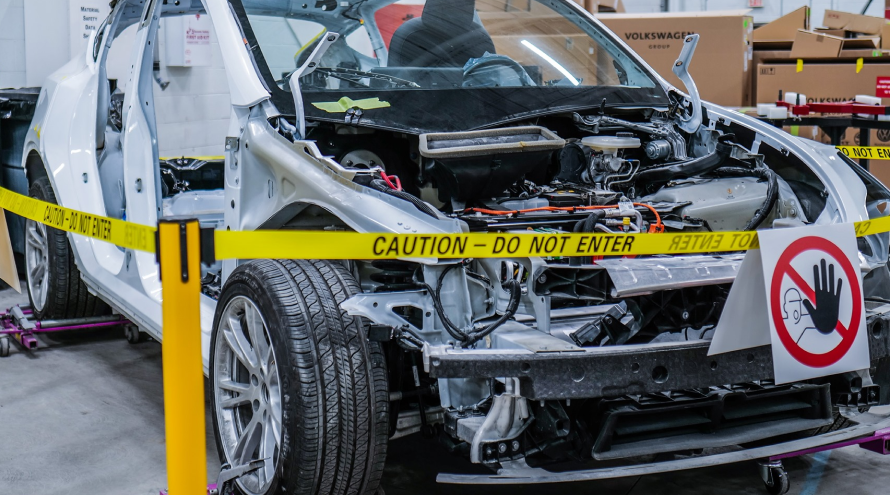
Hitting a deer can result in damage ranging from a cracked bumper or broken headlight to severe hood, fender, radiator, windshield, or even airbag deployment issues. Depending on the speed and size of the deer, the impact can crush panels, misalign the frame, or damage internal engine components. A thorough inspection by a certified collision repair shop is necessary to assess structural damage, check for coolant or fluid leaks, and verify that ADAS systems (such as automatic braking or lane keeping) are still functioning properly. In many cases, the damage may not be fully visible from the outside, making professional diagnostics essential.
Insurance Coverage and Claims Process
Deer collisions are typically covered under the comprehensive portion of your auto insurance, not collision coverage. Most insurers treat it as a no-fault accident, meaning it won’t impact your premium as severely as at-fault incidents might. File a claim promptly and provide all necessary documentation, including police reports and photos. Choose a repair shop that is familiar with insurance coordination and can provide digital estimates, frame measurements, and OEM part replacements. If your vehicle is undriveable, ask about towing, rental coverage, or pickup and delivery options offered by the shop.
Seasonal Vehicle Preparedness
During deer season, it’s smart to keep your vehicle in top shape. Make sure your brakes, lights, tires, and windshield wipers are all functioning correctly. Clean windshields and bright headlights help improve nighttime visibility, giving you extra seconds to respond if a deer appears suddenly. If your vehicle is equipped with ADAS features like forward collision warning or pedestrian detection, ensure that sensors and cameras are calibrated and unobstructed. These technologies can provide valuable early warnings or automatic braking in emergencies.
Final Thoughts
Deer collisions are an unfortunate reality for millions of drivers during the fall and early winter months, but with caution, preparedness, and the right response, you can reduce your risk and recover quickly. Stay alert during peak movement times, brake—don’t swerve—if a deer crosses your path, and always get professional help if your vehicle sustains damage. A trusted collision repair center can ensure your car is restored to safe, pre-accident condition and help you navigate the insurance process smoothly. As deer season continues, drive smart, stay safe, and be ready for the unexpected.