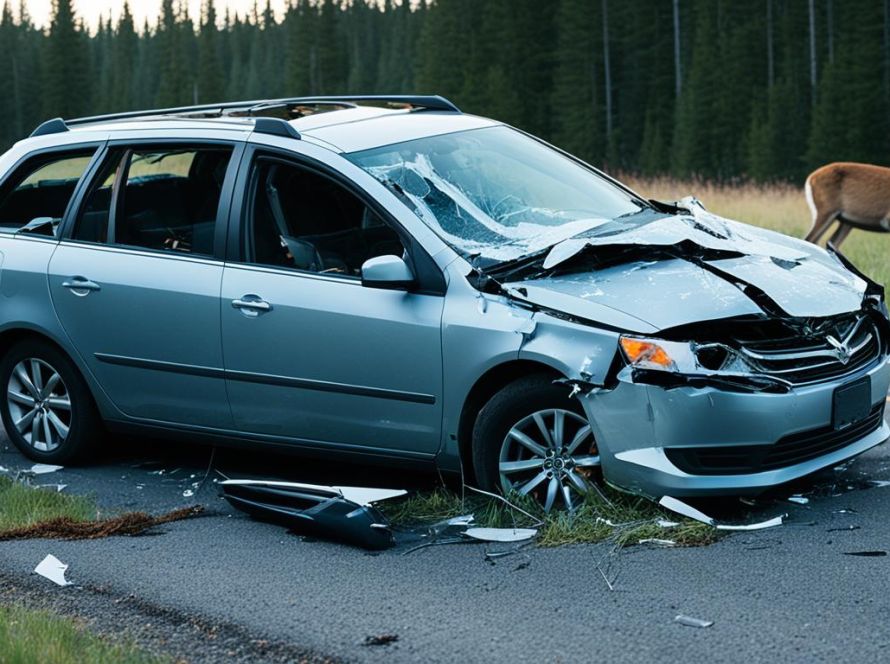
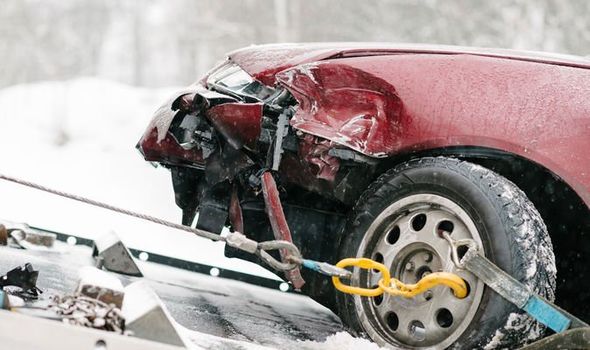
Summer is the perfect time to hit the open road, with millions of drivers taking to highways for family vacations, weekend getaways, and scenic drives. While road trips offer adventure and freedom, they also bring increased risks—especially on busy interstates and rural highways. From higher traffic volumes and heat-related vehicle issues to driver fatigue and distracted motorists, the potential for highway collisions rises sharply during peak summer months. Fortunately, with the right preparation and smart driving habits, you can enjoy your summer travels while minimizing the chance of accidents.
The Unique Risks of Summer Travel
Summer road trips often involve long hours on the road, unfamiliar routes, and unpredictable traffic patterns. Highways become more crowded with vacationers, trailers, and motorcycles, increasing the chances of lane changes, blind spots, and merging errors. Additionally, hot temperatures put extra stress on your vehicle—overheating engines, underinflated tires, and brake fade are common mechanical issues that can lead to breakdowns or accidents. Construction zones are more active during the summer, and sudden storms or glare from the sun can reduce visibility in seconds. These factors make defensive driving and vehicle readiness essential for every trip.
Prepare Your Vehicle Before You Depart
A safe road trip starts with a pre-trip vehicle inspection. Check tire pressure and tread depth, as hot pavement increases the risk of blowouts—especially on worn or underinflated tires. Top off all fluids including coolant, brake fluid, transmission fluid, and windshield washer solution. Inspect belts, hoses, battery life, and brakes to ensure all systems are road-ready. If you’re towing a trailer or driving a loaded vehicle, ensure your tow hitch, suspension, and lights are in working order. Schedule a professional maintenance check if you’re traveling long distances or haven’t serviced your vehicle recently.
Practice Defensive Driving on the Highway
Highway driving requires constant awareness and quick reaction time. Always maintain a safe following distance of at least three seconds—more if you’re driving a larger vehicle or towing. Avoid sudden lane changes and signal well in advance. Watch for brake lights several cars ahead to anticipate slowdowns. Be cautious when passing trucks or RVs, and never linger in another vehicle’s blind spot. Stay in the center or right lane unless passing, and obey posted speed limits. Remember, arriving safely is more important than arriving fast.
Limit Distractions and Manage Fatigue
Distractions and fatigue are major contributors to highway collisions. Set your GPS and playlist before hitting the road and use voice controls or a passenger to manage calls and navigation. Never text or scroll while driving—even glancing at your phone for a few seconds at 65 mph covers the length of a football field. If you’re driving long hours, take a break every two hours or 100 miles. Rotate drivers if possible, and avoid driving late at night when fatigue is more likely. Stay hydrated and avoid heavy meals that can make you drowsy.
Watch for Aggressive and Impaired Drivers
Summer holidays bring celebrations, which often lead to impaired driving on the roads—especially around weekends, festivals, and holiday evenings. Stay alert for erratic behavior such as weaving, inconsistent speeds, or delayed braking. Keep your distance and call authorities if you suspect a drunk or impaired driver. Also be wary of aggressive drivers who tailgate, honk, or make sudden moves. Don’t engage or escalate the situation—maintain a safe speed, let them pass, and keep your focus on the road.
Stay Safe in Construction and Rural Zones
Construction zones are common in summer and often involve reduced speed limits, narrow lanes, and stopped traffic. Always slow down, follow posted signs, and be ready to stop unexpectedly. Avoid distractions and watch for workers, flaggers, or lane shifts. In rural areas, watch for wildlife crossings—especially at dawn and dusk—and be prepared for unexpected stops, sharp turns, or farm equipment. GPS systems may not always provide real-time updates in remote areas, so plan your route in advance and keep a paper map or downloaded offline directions as backup.
Pack for Safety and Emergencies
In addition to luggage and snacks, bring along a summer road trip emergency kit. This should include jumper cables, a flashlight, basic tools, extra water, a tire pressure gauge, a first aid kit, and sunscreen. Keep your registration and insurance documents easily accessible, and have contact numbers for roadside assistance or your repair shop. If you’re traveling with pets or children, plan regular breaks to avoid restlessness and overheating, and never leave them in a parked vehicle on a hot day.
Final Thoughts
A summer road trip can create unforgettable memories—but only if you get to your destination safely. By preparing your vehicle, practicing defensive driving, staying alert, and responding wisely to road conditions, you can drastically reduce the risk of collisions and enjoy the journey. Whether you’re crossing state lines or exploring a nearby highway, your safety—and the safety of your passengers—starts with good planning and smart driving. Make this summer one to remember for all the right reasons.