Winter can be harsh on your vehicle. From corrosive road salt and freezing temperatures to slick ice and low tire pressure, cold weather brings unique challenges that demand special attention. Taking proactive steps to winterize your car not only improves safety and reliability—it also prevents long-term damage and expensive repairs. Here’s how to protect your vehicle from salt, snow, and cold this winter season.
1. Wash and Wax Before Winter Hits
Start winter with a clean, waxed car. Road salt is highly corrosive and can eat away at your paint, undercarriage, and even brake lines. A quality wax or ceramic coating creates a barrier that shields your paint from moisture and salt residue. Before snow falls, give your car a thorough wash, especially the underbody, and apply a durable wax or sealant for added protection.
2. Protect the Undercarriage from Salt Damage
Salt buildup underneath your car can lead to rusted frames, damaged exhaust systems, and weakened suspension parts. Schedule regular undercarriage washes—especially after snowstorms or salt-heavy days. You can also apply a rustproofing undercoat or protective spray to critical areas like wheel wells, rocker panels, and brake lines.
3. Switch to Winter Tires for Better Grip
All-season tires lose traction when temperatures drop below 45°F (7°C). Winter tires are designed with softer rubber and deeper tread to provide superior grip on snow and ice. If you live in an area with regular snowfall or icy roads, investing in winter tires is essential for safe stopping, cornering, and acceleration.
4. Check and Maintain Proper Tire Pressure
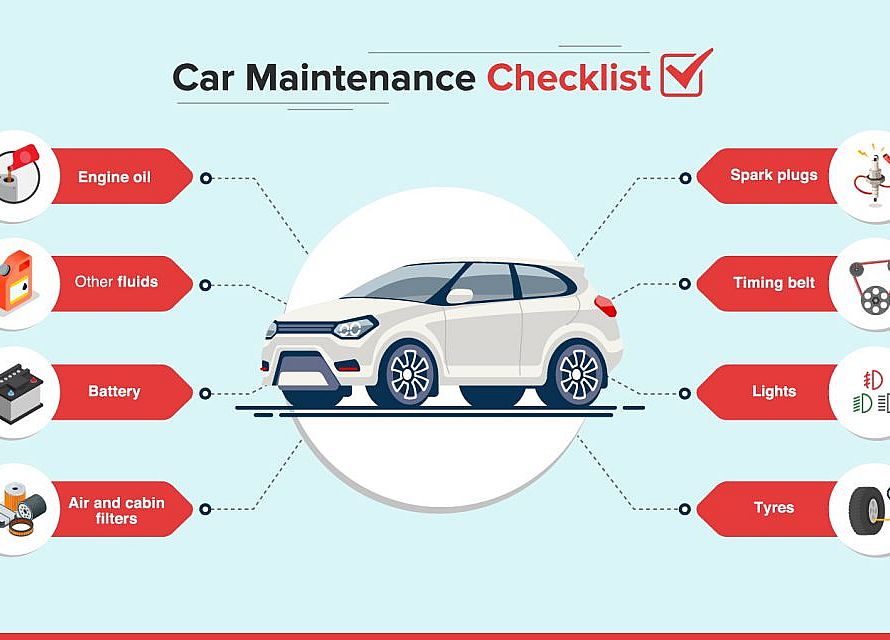
Cold air causes tire pressure to drop—often by 1 PSI for every 10°F drop in temperature. Underinflated tires reduce traction, wear unevenly, and lower fuel efficiency. Check your tire pressure weekly during winter and adjust to the manufacturer’s recommended PSI. Don’t forget the spare tire too.
5. Keep Battery Health in Check
Cold weather puts extra strain on your battery. Chemical reactions slow down, making it harder to start your engine. Have your battery tested before winter begins—especially if it’s over 3 years old. Clean corrosion from terminals and ensure the connections are tight. Carry jumper cables or a portable jump starter as a backup.
6. Use the Right Engine Oil
Check your owner’s manual to see if your car requires thinner oil for cold-weather starts. Multi-viscosity oils like 5W-30 or 0W-20 flow more easily in freezing temperatures, helping your engine start smoother and run efficiently.
7. Top Off Fluids and Use Winter Formulas
Replace your windshield washer fluid with a winter-specific formula that won’t freeze. Ensure your coolant (antifreeze) level is correct and has the right freeze protection mix—usually a 50/50 blend. Keep gas at least half full to prevent fuel line freeze-up and allow extra driving range during winter delays.
8. Inspect Wiper Blades and Defrosters
Visibility is critical in winter. Replace old wiper blades with winter wipers that resist ice buildup. Make sure your heater and defrosters are working properly to clear fog and frost from windows quickly. Keep an ice scraper and snow brush in your vehicle at all times.
9. Lubricate Locks, Hinges, and Weather Stripping
Use silicone spray or graphite lubricant to prevent locks and doors from freezing shut. Lubricate hinges, door seals, and weather stripping to prevent cracking and water intrusion during freezing cycles.
10. Pack a Winter Emergency Kit
Be ready for the unexpected. Your emergency kit should include: a blanket, gloves, ice scraper, flashlight, jumper cables, phone charger, first aid supplies, bottled water, snacks, a small shovel, traction sand or kitty litter, and flares or reflectors. These essentials could be lifesaving in a winter roadside emergency.
11. Keep an Eye on Rust-Prone Areas
Salt tends to accumulate in wheel wells, behind mud flaps, and along the underside of the doors. Regularly inspect these areas for early signs of rust and treat small spots with rust converter or touch-up paint. If your area uses a lot of salt, consider applying a rust inhibitor at the start of the season.
12. Warm Up Your Car Wisely
Modern engines don’t require long warm-up times. Idling for 30 seconds to a minute is usually enough before driving gently. Excessive idling wastes fuel, increases emissions, and can contribute to engine wear if done daily. Instead, focus on driving slowly for the first few minutes to allow all systems to warm up naturally.
Conclusion
Winter doesn’t have to be hard on your car—if you prepare. By following this winter car care checklist, you can protect your vehicle from rust, mechanical damage, and cold-weather breakdowns. Whether it’s applying rustproofing, switching to winter tires, or packing a cold-weather emergency kit, these small steps add up to a safer, smoother, and more reliable winter driving experience. Don’t wait until the first snow hits—start winterizing your car today.