After an accident or vehicle damage, one of the first things you’ll encounter is a repair estimate. While it may seem like a simple number on paper, a repair estimate is actually a detailed breakdown of labor, parts, and time required to restore your vehicle. Understanding how estimates are created—and how long repairs typically take—can help you make better decisions, avoid surprises, and ensure your car is repaired properly.
What Is a Repair Estimate?
A repair estimate is a document provided by a body shop that outlines the expected cost of repairing your vehicle. It typically includes labor, parts, paint, materials, and additional charges (if applicable). You’ll often receive this estimate after the shop inspects your vehicle’s damage either in person or via photo-based submissions for insurance claims.
What Should a Repair Estimate Include?
Here’s a breakdown of the key components of a professional repair estimate:
| Section | What It Covers |
|---|---|
| Labor Charges | Time required for bodywork, painting, mechanical repairs, and reassembly |
| Parts | Cost of OEM, aftermarket, or used components needed for replacement or repair |
| Paint & Materials | Paint, clear coat, and supplies required to refinish damaged areas |
| Sublet Work | Work sent to outside vendors (e.g., glass replacement, alignment, frame straightening) |
| Tax and Shop Fees | Applicable taxes, hazardous waste disposal, shop supplies, and administrative fees |
| Total Estimated Cost | Combined total of all repairs before insurance coverage or deductibles |
Pro Tip: Ask the shop whether they’ve included potential hidden damage in their estimate or if they’ll provide a supplement later if more damage is discovered during repairs.
Common Estimate Terms Explained
| Term | Meaning |
|---|---|
| Flat Rate Hours | The estimated time for a task based on industry standards, not actual hours |
| R&I (Remove & Install) | Part is removed and reinstalled (not replaced) |
| R&R (Remove & Replace) | Part is removed and replaced with a new one |
| Blend | The process of painting adjacent panels to match the color perfectly |
| Supplement | Additional charges added later if more damage is found once repairs begin |
Understanding Repair Timelines
Repair timelines vary depending on the extent of damage, availability of parts, and shop workload. However, most reputable body shops will provide a rough timeline to set your expectations.
| Type of Damage | Estimated Repair Time |
|---|---|
| Minor cosmetic damage | 1–3 days |
| Moderate panel damage | 3–5 days |
| Major collision repairs | 7–14+ days |
| Frame or structural damage | 10–20+ days |
| Waiting on specialty parts | Adds 3–7+ days, depending on part availability |
Keep in mind that these timelines may also be influenced by insurance company approvals, supplement processing delays, or inclement weather (for paint jobs).
Factors That Can Delay Repairs
- Parts on backorder or OEM delays
- Hidden damage found during disassembly
- Insurance adjuster availability for supplements
- Paint curing and drying time
- Heavy shop workload or staffing issues
How to Read and Compare Multiple Estimates
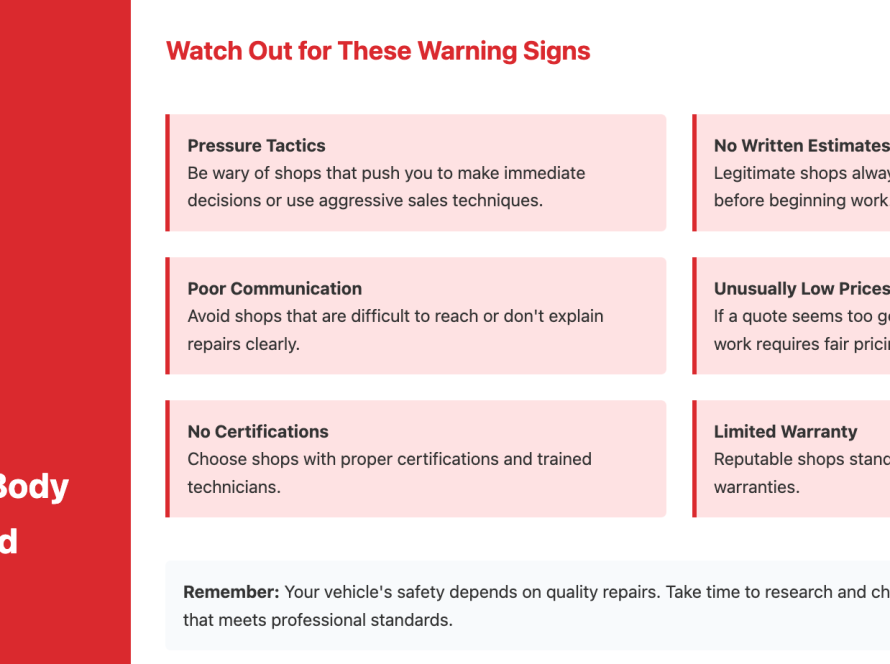
When comparing estimates from different shops, don’t focus on the price alone. Look for completeness, professionalism, and whether the estimate accounts for all the necessary work. A shop that offers a suspiciously low estimate may be cutting corners, using inferior parts, or omitting certain steps.
| Comparison Checklist | Shop A | Shop B | Shop C |
|---|---|---|---|
| Uses OEM Parts | Yes | No | Optional |
| Provides Written Warranty | Lifetime | 1 Year | No |
| Includes Paint Matching | Yes | Yes | No |
| Timeline Given at Time of Estimate | 5 days | 7–10 days | Unknown |
| Offers Supplement Handling with Insurance | Yes | Yes | No |
| Communicated Hidden Damage Possibilities | Yes | No | No |
Questions to Ask About Your Estimate and Timeline
- Is this a final estimate, or could additional costs be added later?
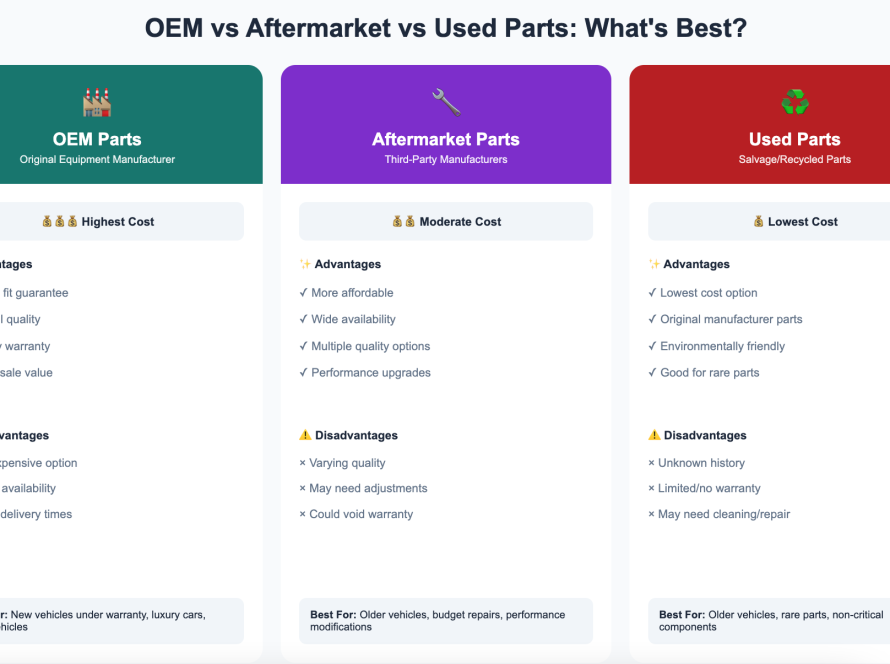
- What type of parts will you use (OEM, aftermarket, or used)?
- How long do you estimate the repair will take?
- What happens if more damage is found during the repair?
- Will you coordinate with my insurance company directly?
- Do you offer any warranty on your work?
Final Thoughts
A repair estimate is more than just a price quote—it’s a roadmap to restoring your vehicle. Understanding what’s included, how long it will take, and what factors may impact the timeline will help you feel confident and in control throughout the repair process. Don’t be afraid to ask questions, compare estimates, and choose a body shop that communicates clearly, uses quality parts, and stands behind its work.