Small dents and dings are an inevitable part of vehicle ownership—caused by shopping carts, hail, parking mishaps, or minor bumps. While many car owners are tempted to tackle these blemishes on their own, not every dent can (or should) be fixed without professional help. Knowing when DIY dent removal is safe and effective, and when…
No matter how careful you are with your vehicle, minor scratches, chips, and blemishes are almost impossible to avoid. Whether it’s a stray shopping cart, a rock chip on the highway, or a careless door swing, paint imperfections not only affect your car’s appearance—they can also expose the metal beneath to rust and corrosion. That’s…
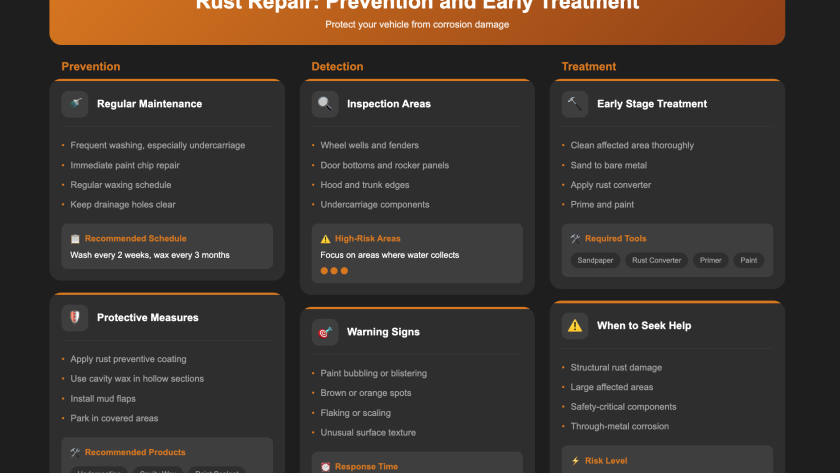
Rust is one of the most damaging and frustrating issues vehicle owners face. It doesn’t just affect your car’s appearance—it eats away at metal, weakens structural integrity, and reduces resale value. Whether you live in a coastal area or somewhere with harsh winters and salted roads, rust is a real threat to the long-term health…
Bumper scuffs are one of the most common cosmetic damages on vehicles. Whether from a tight parking spot, curb contact, or a low-speed scrape, these blemishes can make even a new car look worn. Fortunately, many bumper scuffs can be fixed at home with the right tools and a little patience. In this step-by-step DIY…
Few things are more frustrating for car owners than discovering a door ding—those small, shallow dents typically caused by shopping carts, careless drivers, or minor parking lot mishaps. While they might seem harmless, door dings can affect your car’s appearance, reduce resale value, and even lead to paint damage or rust if ignored. Thankfully, there…
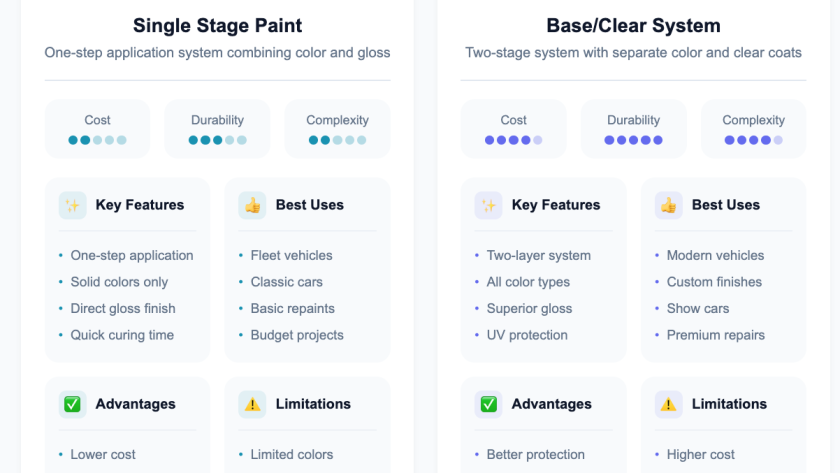
Whether you’re repairing a scratch, restoring a classic car, or doing a full repaint, understanding your vehicle’s paint system is crucial. Automotive paint isn’t just about color—it’s a layered process that affects durability, gloss, cost, and overall finish. The two most common paint systems used in automotive applications are Single Stage and Base/Clear. Each type…