Driving is a daily routine for most people, but it’s also one of the most dangerous activities we do. Every time you get behind the wheel, you’re sharing the road with unpredictable conditions, distracted drivers, and unforeseen hazards. This is where defensive driving becomes not just a good habit, but a critical skill. Defensive driving isn’t about being overly cautious or fearful—it’s about being alert, prepared, and proactive to avoid accidents before they happen. Mastering these techniques can significantly reduce your risk of collisions, protect your passengers, and save lives.
What Is Defensive Driving?
Defensive driving is a mindset and method that focuses on anticipating potential hazards and reacting to them in a safe, controlled manner. It involves staying alert, maintaining safe distances, following traffic laws, and assuming that other drivers might make mistakes. Defensive drivers prepare for the worst while hoping for the best, which makes them far more capable of avoiding dangerous situations on the road.
Always Stay Focused and Eliminate Distractions
One of the most fundamental principles of defensive driving is staying completely focused on the road. That means putting your phone away, avoiding eating or multitasking, and keeping your attention on your surroundings. Defensive drivers scan ahead, check mirrors frequently, and stay aware of blind spots. The key is to constantly observe traffic patterns, road conditions, pedestrians, and other vehicles so you can make early and informed decisions.
Maintain a Safe Following Distance
Tailgating is one of the most common causes of rear-end collisions. Defensive drivers use the “three-second rule” to maintain a safe following distance in normal conditions. In poor weather or heavy traffic, this should be increased to four or five seconds. This buffer gives you time to react if the vehicle ahead suddenly brakes or swerves. A good defensive driver never trusts the person in front of them to behave predictably.
Adjust Your Speed to Conditions
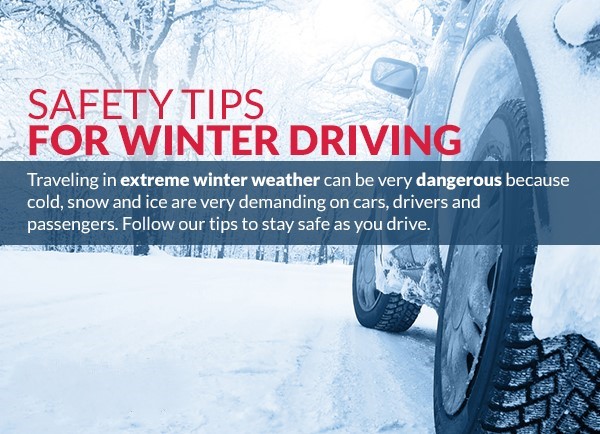
Speed limits are designed for optimal conditions, not rain, snow, fog, or heavy traffic. A defensive driver always adjusts their speed based on weather, road surface, visibility, and traffic flow. Driving too fast for conditions—regardless of whether you’re under the speed limit—can be just as dangerous as speeding. Slowing down gives you more time to react and increases your control of the vehicle, especially when road traction is compromised.
Always Have an Escape Route
Defensive drivers never box themselves in. Always leave a way out—whether it’s space in the lane next to you or a clear shoulder you can move into in an emergency. This means being aware of surrounding vehicles and positioning your car in a way that avoids being trapped between others. In stop-and-go traffic, leave space in front of your vehicle so you can maneuver around a stalled car or avoid a rear-end collision if someone hits you from behind.
Anticipate Other Drivers’ Mistakes
One of the core principles of defensive driving is assuming that other drivers may not follow the rules. Expect that someone might run a red light, merge without signaling, or stop suddenly. By preparing for these possibilities, you give yourself time to respond safely. Defensive drivers don’t just watch the car in front of them—they look two or three cars ahead and monitor adjacent lanes for erratic behavior or signs of aggressive driving.
Don’t Drive When Tired, Angry, or Impaired
Mental state is just as important as skill behind the wheel. Driving while drowsy, upset, or under the influence of alcohol or drugs—including prescription medication—greatly increases your risk of an accident. Defensive drivers know when to take a break, pull over, or hand the keys to someone else. Being well-rested, calm, and sober ensures faster reaction times and better decision-making.
Use Your Signals and Communicate Clearly
Defensive driving is also about helping other drivers anticipate your actions. Always use your turn signals, brake early when slowing down, and avoid sudden lane changes or last-minute turns. Making your intentions clear gives other drivers time to adjust and reduces the likelihood of misunderstandings or conflicts on the road. Honk only when necessary, and never engage in aggressive gestures or road rage behaviors.
Be Cautious at Intersections
Intersections are hotspots for accidents, especially when drivers rush through yellow lights or fail to yield. A defensive driver approaches intersections with caution, checks for cross-traffic even after a light turns green, and looks out for pedestrians or cyclists. Never assume others will stop or yield just because they’re supposed to. A second of hesitation could prevent a serious crash.
Final Thoughts
Defensive driving is one of the most effective ways to protect yourself and others on the road. It turns driving from a passive activity into an active and intentional practice, reducing risk through awareness and preparation. Whether you’re a new driver or have decades of experience, adopting defensive techniques can make all the difference between a close call and a collision. The road will always have its hazards—but by staying sharp, anticipating danger, and giving yourself space and time to react, you’ll be far better equipped to handle whatever comes your way.