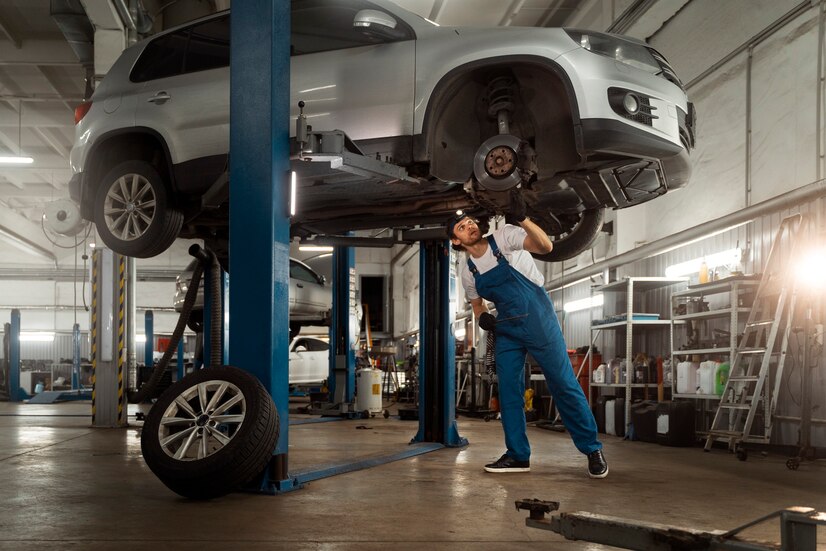
When your vehicle is involved in an accident, choosing the right repair shop is just as important as the repairs themselves. One of the most reliable ways to ensure quality is by selecting a collision center with recognized certifications. These credentials aren’t just flashy logos on the wall — they’re proof that a shop meets stringent industry and manufacturer standards.
✅ What Are Collision Repair Certifications?
Collision repair certifications are formal approvals granted by manufacturers or industry bodies to repair facilities that meet specific criteria in equipment, training, processes, and customer care. These certifications are only awarded after thorough inspections and audits. They confirm that the shop:
- Uses factory-approved tools and OEM parts
- Employs trained and regularly tested technicians
- Follows manufacturer repair procedures
- Maintains high standards of customer service and documentation
🔧 Types of Certifications and What They Mean
| Certification | Issuing Organization | Why It Matters |
|---|---|---|
| OEM Manufacturer Certified | Individual automakers (Tesla, BMW, Honda, etc.) | Ensures OEM parts, factory-approved repair techniques, ADAS recalibration |
| I-CAR Gold Class | Inter-Industry Conference (I-CAR) | Indicates continuous technician training and up-to-date repair knowledge |
| ASE Certification | National Institute for Automotive Service Excellence | Demonstrates individual technician expertise in mechanical and bodywork areas |
| Assured Performance Network | Third-party certifier for multiple OEMs | Verifies compliance with structural repair, refinishing, and tooling standards |
| OEM Aluminum Repair Certified | Various luxury manufacturers | Confirms ability to handle aluminum structural repairs |
🧠 Why Certifications Matter for Modern Vehicles
Modern vehicles are built with complex safety systems, advanced driver assistance technology (ADAS), and lightweight structural components like aluminum and high-strength steel. Certified shops are trained to repair these systems without compromising the vehicle’s integrity or safety. For example, recalibrating sensors and restoring crumple zones requires exact specifications. Learn more about why ADAS calibration is critical for safety.
A non-certified shop might miss these details, leading to:
- Misaligned ADAS sensors or non-functional safety features
- Reduced crash protection due to incorrect structural repair
- Use of aftermarket or salvage parts instead of OEM components
- Poor paint match or premature corrosion from substandard materials
🚗 Certifications for Specialty Vehicles
Certain vehicles require specialized certifications. Tesla collision repair requires Tesla-specific certification. Aluminum body vehicles like the Ford F-150 need shops with dedicated aluminum repair facilities. Electric and hybrid vehicles require high-voltage safety training.
🔍 How to Check If a Shop Is Certified
When choosing a body shop, ask these important questions:
- Are you certified by specific OEMs?
- Do you hold an I-CAR Gold Class designation?
- What kind of technician training do you perform?
- Do you use OEM parts and follow manufacturer repair procedures?
- Can you show proof of calibration tools for ADAS and safety systems?
Most certified shops proudly display their credentials on their website, front desk, or customer estimates. Some manufacturers even provide online lookup tools where you can find nearby certified facilities by entering your zip code.
📌 Certification vs. Cost: Is It Worth It?
While certified collision repairs may come at a premium, the long-term benefits far outweigh the costs. For help understanding collision repair costs, see our pricing guide. With proper documentation and certified repairs:
- Your vehicle retains more of its resale value (important for diminished value claims)
- You protect your warranty and factory service plan
- You reduce the risk of re-repair and related expenses down the road
- You gain peace of mind knowing your car is restored to factory specifications
🚘 Final Thoughts
Your vehicle is engineered with precision — and it deserves repair work that matches that standard. Collision repair certifications are your assurance that a shop has the expertise, equipment, and accountability to perform repairs safely and correctly. When it comes to your car, cutting corners isn’t an option. For more guidance, see our complete guide on what to expect during the collision repair process.
❓ Frequently Asked Questions
What does I-CAR Gold Class certification mean?
I-CAR Gold Class is the highest collision repair training recognition, held by only about 10% of shops nationwide. It means all technicians receive ongoing training on the latest repair techniques, materials, and technologies. Gold Class shops consistently deliver higher quality repairs and stay current with evolving vehicle technology.
What’s the difference between I-CAR and ASE certification?
ASE (Automotive Service Excellence) certification tests individual technician knowledge through standardized exams. I-CAR certification focuses on hands-on collision repair training specific to body work, refinishing, and structural repair. The best shops have both: ASE-certified technicians with I-CAR training.
How can I verify a body shop’s certifications?
Visit I-CAR’s website (i-car.com) and use their Gold Class locator tool. For ASE certification, ask to see the technician’s credentials directly – they carry ASE certification cards. Legitimate shops proudly display their certifications in the lobby and on their website.
Do manufacturer certifications matter for collision repair?
Manufacturer certifications (Tesla, BMW, Honda ProFirst, Ford, etc.) mean the shop has invested in brand-specific training, tools, and equipment. These shops can access OEM repair procedures and parts. For newer vehicles with advanced technology, manufacturer certification ensures repairs meet factory specifications.
Is it worth paying more for a certified collision repair shop?
While not legally required, certified shops deliver measurably better repairs. Studies show I-CAR Gold Class shops have fewer comebacks, better customer satisfaction, and repairs that maintain vehicle safety. For modern vehicles with ADAS and aluminum construction, certification is practically essential for proper repairs.