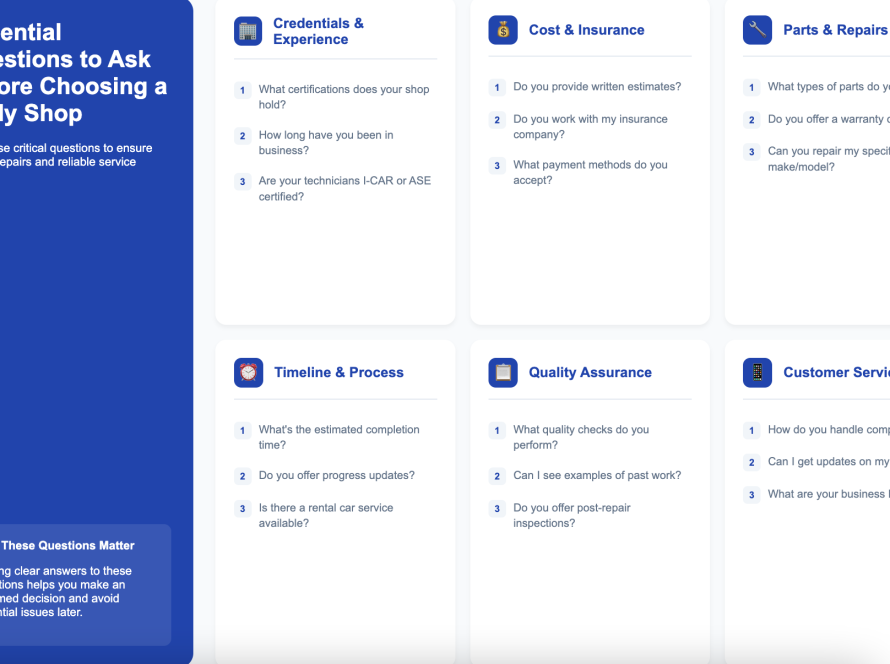
When you’re searching for a reliable auto body shop after a collision or vehicle damage, certifications matter. They tell you the technicians working on your car have the proper training, knowledge, and commitment to quality repairs. Among the most respected credentials in the industry are I-CAR and ASE certifications. In this post, we’ll break down what these certifications mean, why they’re important, and how they help you make a smart choice when selecting an auto body shop.
What Is I-CAR Certification?
I-CAR stands for the Inter-Industry Conference on Auto Collision Repair, a nonprofit organization dedicated to providing technical education and training to collision repair professionals. The I-CAR Gold Class certification is one of the highest levels of recognition in the industry.
To earn I-CAR Gold Class status, a shop must:
- Have technicians who complete ongoing training in specific repair roles
- Stay current with the latest vehicle technology and repair techniques
- Demonstrate a deep understanding of safety procedures, structural repair, and materials usage
Only about 20% of auto body shops in the U.S. achieve Gold Class status, making it a strong indicator of quality and professionalism.
Why I-CAR Matters for You
Vehicles today are more complex than ever—with advanced safety systems, high-strength steel, and sensitive electronics. I-CAR certified shops are trained to work on all makes and models, including those with the latest crash-avoidance technology. Choosing an I-CAR Gold Class shop helps ensure:
- Proper structural and cosmetic repairs
- Your safety systems (like airbags and sensors) are restored correctly
- Your vehicle is repaired according to manufacturer standards
What Is ASE Certification?
ASE stands for the National Institute for Automotive Service Excellence, a nonprofit organization that tests and certifies automotive professionals across various repair fields. While ASE certification is common in general mechanical repair shops, it’s also valuable in collision centers.
To become ASE-certified, technicians must:
- Pass rigorous exams in specific areas (like painting, refinishing, or structural analysis)
- Have at least two years of hands-on work experience
- Re-test every five years to maintain certification
ASE also offers a Master Collision Repair Technician certification for those who pass exams in multiple specialty areas.
Why ASE Matters for You
ASE certification means your technician has demonstrated real knowledge and hands-on skill in their field. For customers, this translates to:
- Accurate diagnostics and efficient repairs
- Industry-recognized expertise
- Confidence that your car is in the hands of a true professional
I-CAR vs. ASE: What’s the Difference?
Both certifications are valuable, but they serve slightly different purposes:
- I-CAR focuses specifically on collision repair training and standards, especially for modern vehicles with complex safety systems
- ASE covers a broader range of automotive repair disciplines, including both mechanical and collision-related work
The best auto body shops often have both I-CAR and ASE-certified technicians, combining technical collision expertise with broad automotive knowledge.
How to Verify a Shop’s Certifications
When selecting an auto body shop:
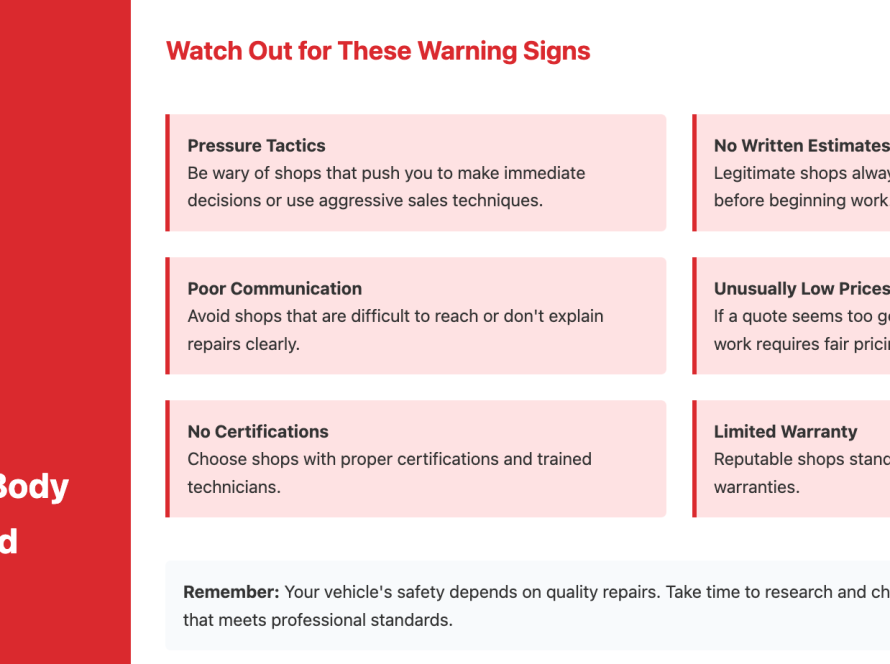
- Look for I-CAR Gold Class or ASE signage in the shop or on their website
- Ask to see proof of certification or technician credentials
- Check their status on official directories at i-car.com and ase.com
A reputable shop will proudly share this information with you—certifications are a badge of honor that set them apart from the competition.
Final Thoughts
When it comes to repairing your vehicle, training and certification make a major difference in the quality, safety, and reliability of the work. Choosing an auto body shop with I-CAR Gold Class or ASE-certified technicians gives you peace of mind that your car will be repaired correctly, using up-to-date techniques and industry-approved standards.
Next time you’re choosing a shop, don’t just ask about cost or repair time—ask about certification. It’s one of the most important questions you can ask.