One of the most critical and often underestimated aspects of automotive paint repair is color matching. Whether you’re fixing a scratch, repainting a bumper, or restoring an entire panel, matching the original factory color is essential to maintain your vehicle’s appearance and value. But getting it right isn’t as easy as picking a paint code and spraying—it requires precision, experience, and most importantly, the right technology. In this guide, we’ll explain why professional color matching equipment matters, how it works, and why even slight mismatches can lead to unsatisfactory results.
Why Color Matching Is So Difficult
Even when using a factory paint code, the actual color on your vehicle may differ slightly due to factors like sun exposure, age, environmental conditions, and manufacturing batch variations. These subtle differences are why two vehicles with the same code can look noticeably different side-by-side. In addition, many modern paints include metallic flakes, pearls, or tri-coat layers, which are extremely sensitive to spray technique, angle, and lighting. Without the proper tools and controlled environment, matching these finishes becomes guesswork—and that’s a recipe for visible lines, shading issues, or complete panel mismatches.
The Role of Professional Color Matching Equipment
Professional body shops rely on digital spectrophotometers, paint-matching software, and spray-out cards to ensure the color being applied blends seamlessly with the original finish. Spectrophotometers are handheld devices that scan the paint surface and break down its exact color makeup—measuring hues, tints, saturation, and reflectivity. This data is then fed into a paint formulation system that creates a custom-matched formula, often adjusted in real time by trained technicians. These tools eliminate human error, minimize guesswork, and drastically improve first-time accuracy.
Professional vs DIY Color Matching: Key Differences
| Feature | Professional Equipment | DIY/Manual Method |
|---|---|---|
| Color Accuracy | High – spectrophotometers read exact pigment values | Low – relies on visual estimation and charts |
| Paint Formula Customization | Software-generated based on real-time scan | Limited to factory codes or generic color kits |
| Matching Pearl/Metallic Finishes | Highly accurate with blend control | Very difficult without proper equipment |
| Environmental Lighting Control | Simulated daylight booths and filtered lighting | Often done in uncontrolled garage or outdoor space |
| Repeatability | Consistent match every time | High risk of inconsistency |
| Time & Labor Efficiency | Faster matching with fewer resprays or returns | Trial-and-error increases time and material waste |
The Risk of Inaccurate Color Matching
Mismatched paint repairs are not just cosmetic issues—they can reduce vehicle resale value, draw unwanted attention to previous damage, and leave customers dissatisfied. A visible mismatch around a fender, door, or hood makes the repair look amateur, even if the panel was repaired perfectly. Poor color matching can also result in costly rework, where technicians must repaint the area again to correct the color variance. This adds unnecessary time, labor, and material cost that could’ve been avoided with proper tools from the start.
Blending and Spray Techniques Still Matter
While digital tools play a major role in color matching, professional skill and spray technique are equally important. Painters must know how to blend the new paint seamlessly into adjacent panels, use the correct gun settings, and adjust flake orientation or coat thickness for an even finish. Even with a perfect color formula, a poor application can create striping, mismatched reflection, or visible spray edges. That’s why professional shops combine advanced tools with experienced paint technicians for consistently flawless results.
Why You Should Always Choose a Shop with Color Matching Technology
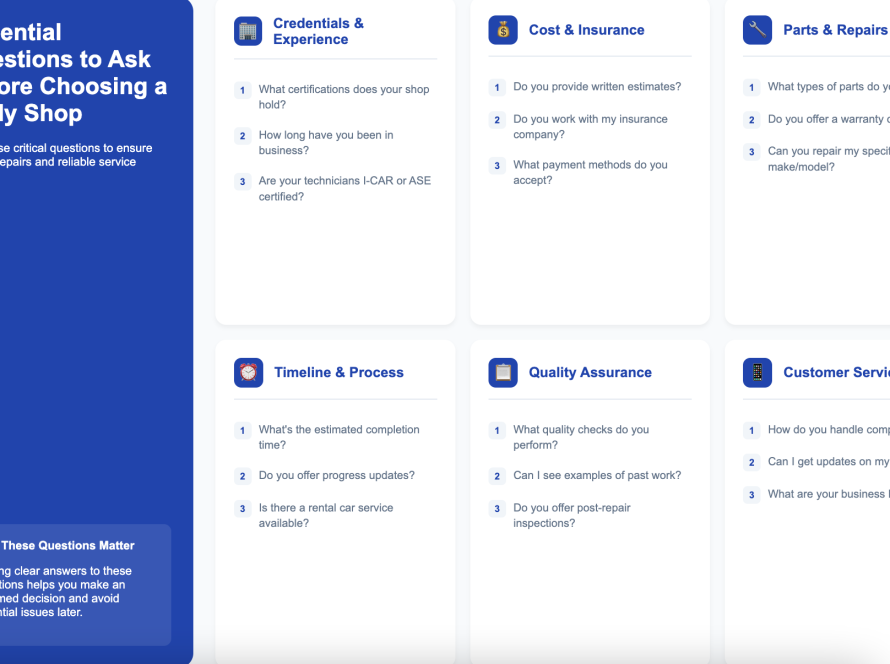
When selecting a body shop for collision or paint repair, always ask if they use digital color matching equipment. Shops that invest in this technology show a commitment to quality, consistency, and customer satisfaction. It also means fewer delays, more accurate estimates, and a better long-term outcome for your vehicle. A shop with outdated or manual methods may be cheaper upfront, but it often leads to visible mismatches, respray costs, and unhappy customers.
Final Thoughts
Color matching is an art backed by science—and it’s one area where the right technology makes all the difference. Professional equipment like spectrophotometers and precision mixing systems eliminate guesswork, reduce human error, and ensure a factory-perfect finish that blends invisibly with your car’s original paint. Whether you’re fixing a minor scratch or a major collision repair, never underestimate the importance of color-matching accuracy. For results you can trust, always choose a shop with the tools and training to get the job done right the first time.