Modern vehicles are equipped with advanced safety technologies designed to reduce accidents and protect occupants. While features like lane departure warnings, automatic emergency braking, blind spot monitoring, and adaptive cruise control make driving safer, they also add significant complexity to collision repairs. If your car is damaged in a crash, understanding how these systems affect repair costs, timelines, and insurance coverage can help you make informed decisions.
What Are Modern Car Safety Features?
Today’s cars go far beyond seat belts and airbags. Most new vehicles include Advanced Driver Assistance Systems (ADAS), which rely on radar, cameras, ultrasonic sensors, and computer modules to monitor surroundings and assist drivers. Common ADAS technologies include:
- Forward Collision Warning (FCW)
- Automatic Emergency Braking (AEB)
- Blind Spot Monitoring (BSM)
- Lane Keep Assist (LKA)
- Adaptive Cruise Control (ACC)
- Rear Cross-Traffic Alert
- 360-Degree Camera Systems
- Parking Sensors and Automated Parking Systems
These technologies rely on precise sensor calibration and positioning, which becomes a major factor in post-accident repair.
How Modern Safety Features Affect Collision Repair
1. Increased Repair Costs
Repairs that once involved just sheet metal and paint now require recalibrating or replacing cameras, radar units, and electronic control modules. A simple bumper replacement can cost $1,000–$2,500 or more if radar sensors are embedded. Windshield replacements may cost $800+ due to integrated cameras used in lane assist or emergency braking.
2. Complex Diagnostics and Recalibration
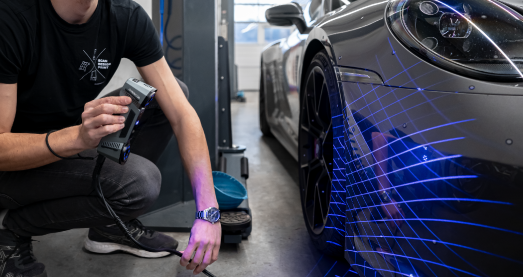
ADAS systems must be calibrated after repairs to ensure proper function. Static calibration (done in-shop) or dynamic calibration (requires test driving under specific conditions) are essential. Missing this step can compromise safety and liability. Only certified shops with the right diagnostic equipment should handle these recalibrations.
3. Longer Repair Timelines
More components mean more time. ADAS-equipped vehicles often require multiple scans, programming, test drives, and calibration processes—extending turnaround time compared to older cars. Availability of OEM-specific tools or software may also cause delays.
4. Limited Use of Aftermarket Parts
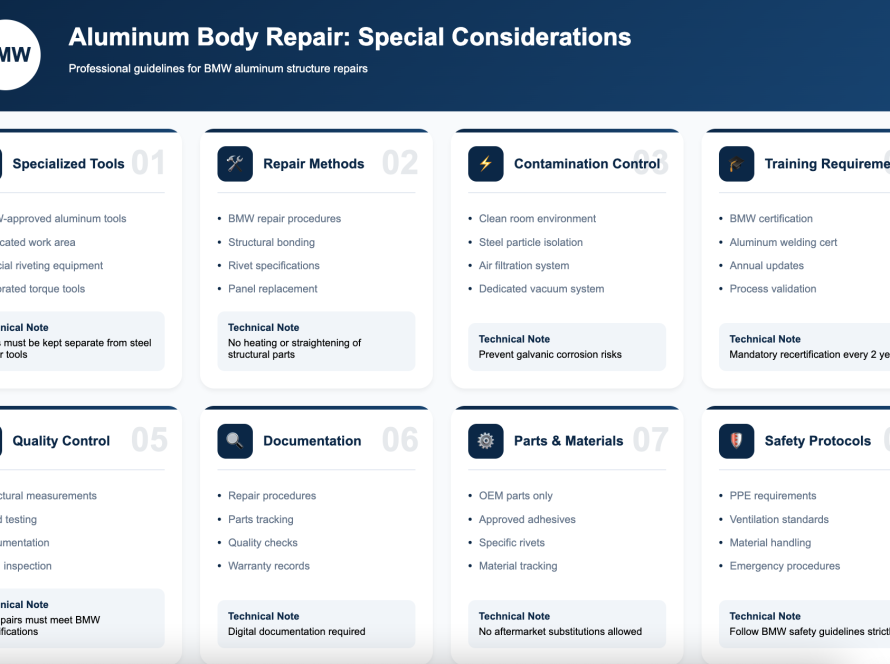
Using non-OEM bumpers, mirrors, or glass may interfere with sensor placement and ADAS performance. As a result, insurers and repair shops are increasingly required to use OEM parts to ensure accuracy—driving up repair costs but maintaining safety.
5. Higher Total Loss Frequency
Due to the cost of ADAS components and labor, insurers are more likely to declare a vehicle a total loss—even after moderate damage. This is especially common in older vehicles or entry-level models with high sensor integration and low resale value.
6. Insurance Implications
Some insurers offer discounts for cars with safety features—but the flip side is higher repair claims when damage occurs. Make sure your insurance policy covers OEM parts and ADAS recalibration. If not, you may be stuck paying out of pocket for advanced system repairs.
Examples of Common ADAS-Related Repair Scenarios
- Rear Bumper Repair: A minor parking lot accident may require ultrasonic sensor replacement and rear camera recalibration
- Windshield Replacement: Must recalibrate forward-facing camera used for lane keep and adaptive cruise
- Side Mirror Replacement: May involve blind spot monitor, turn signal integration, and memory settings
- Front-End Collision: Requires radar sensor alignment, crash sensor testing, and potential airbag module replacement
Choosing the Right Shop for ADAS Repairs
Not every collision center is equipped to handle advanced safety systems. When selecting a repair shop:
- Look for OEM-certified or I-CAR Gold Class facilities
- Ask about ADAS recalibration capabilities
- Confirm use of pre- and post-repair diagnostic scans
- Ensure technicians have training in modern vehicle electronics
- Inquire about the warranty for recalibrated or replaced systems
Tips for Owners of ADAS-Equipped Vehicles
- Get regular software updates from your dealership or authorized service centers
- Ensure tires are properly inflated and alignment is maintained—sensor systems rely on precise geometry
- After any accident, insist on recalibration verification with documentation
- Be cautious of shops using only aftermarket parts—ask whether they meet OEM calibration requirements
- Keep a log of sensor or warning light behavior post-repair and report issues promptly
Conclusion
Modern car safety features are a breakthrough for reducing accidents and saving lives—but they also reshape how collision repairs are performed. With sensors and cameras integrated into nearly every corner of the vehicle, even minor damage can involve advanced diagnostics and careful recalibration. Understanding how these systems work, how they impact repair costs, and choosing the right repair shop ensures your vehicle stays both safe and functional after an accident.