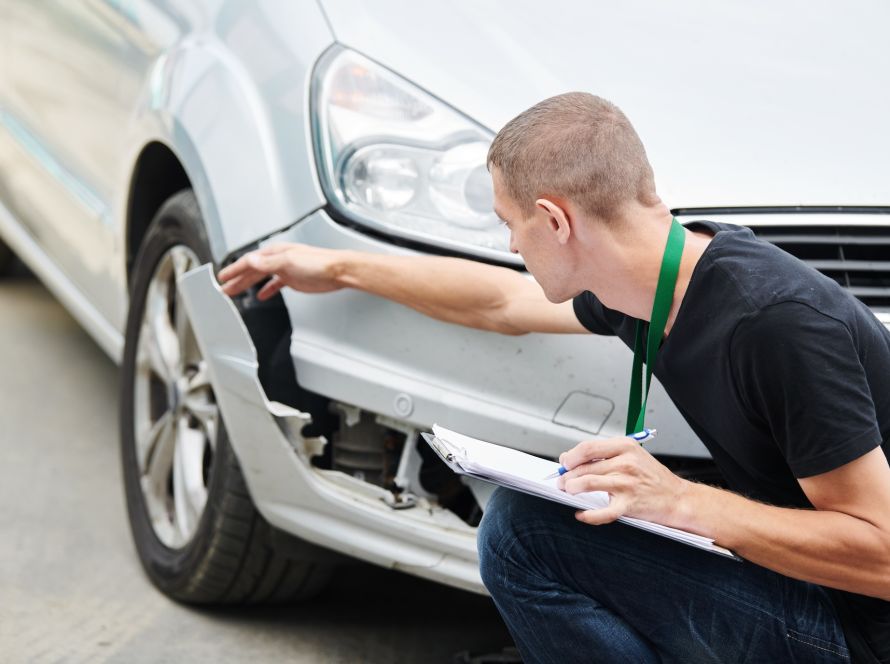
When a luxury vehicle is involved in a collision, the stakes are far higher than with a typical car repair. These vehicles are more than just transportation—they’re precision-engineered machines that combine performance, aesthetics, and advanced technology. Brands like Mercedes-Benz, BMW, Audi, Porsche, Tesla, and Lexus demand a level of care and expertise that goes beyond standard bodywork. From specialized materials to proprietary systems and strict OEM requirements, luxury vehicle collision repair is all about maintaining premium standards while restoring safety, function, and resale value.
Understanding the Complexity of Luxury Vehicles
Luxury cars are built with advanced components, lightweight materials, and tightly integrated systems designed to deliver high performance and comfort. These vehicles often feature aluminum or carbon fiber panels, adaptive suspension, multi-zone electronics, ADAS systems, and custom paint finishes. After a collision, even a minor repair must consider not just appearance but how the damage may affect structural alignment, software calibration, or active safety technologies. Cutting corners or using non-certified processes can diminish performance, void warranties, or put the driver at risk.
OEM Certification: Why It Matters
Leading automakers require body shops to earn OEM certification before allowing them to perform repairs on their vehicles. This certification ensures that the shop uses factory-approved parts, tools, procedures, and technician training. OEM-certified facilities follow strict standards for paint matching, structural repair, sensor recalibration, and part replacement. For owners of luxury cars, choosing an OEM-certified shop guarantees that the repair will meet the brand’s standards and preserve vehicle integrity. It also ensures full compatibility with warranty protections, service history documentation, and future resale value.
Specialized Equipment and Tools
Luxury vehicle repairs require more than just skilled labor—they require specialized equipment that can handle the unique materials and structural designs of high-end cars. Aluminum-bodied vehicles, for example, must be repaired in dedicated workspaces to avoid cross-contamination with steel, which can lead to corrosion. Shops must use precision frame straightening machines, 3D measurement systems, ADAS calibration stations, and high-end paint booths capable of reproducing exact finishes. Even torque tools and fasteners are brand-specific in many cases, requiring investment in manufacturer-specific kits.
Advanced Driver Assistance Systems (ADAS) Recalibration
Nearly all luxury vehicles today include some form of Advanced Driver Assistance Systems (ADAS), such as adaptive cruise control, automatic emergency braking, parking assist, night vision, and lane keeping features. These systems rely on cameras, sensors, and radar modules that must be properly recalibrated after any collision repair—even if the damage was cosmetic. Failure to do so can lead to false alerts, performance issues, or system failures. Luxury-certified shops use OEM-approved diagnostic and calibration tools to ensure all systems are restored to manufacturer specs.
Genuine Parts vs. Aftermarket
One of the key pillars of luxury vehicle repair is the use of genuine OEM parts. These parts are manufactured to exact tolerances and are tested for crash performance, fit, and longevity. Using aftermarket or salvaged components may save money in the short term but can compromise safety and diminish value. OEM parts also ensure consistent paint matching, sensor compatibility, and structural integrity. Luxury brands often track repair histories, and using non-approved parts can appear on vehicle reports, affecting resale or lease return evaluations.
Paint Matching and Finish Quality
Luxury vehicles often feature multi-stage or custom-blended paint jobs, including pearl finishes, metallics, and matte coatings. Matching these finishes requires computerized color matching, advanced paint formulation tools, and expert painters trained in brand-specific techniques. High-end facilities use downdraft paint booths and infrared curing systems to ensure a flawless, factory-quality finish. A perfect visual match isn’t just about looks—it also preserves the prestige of the vehicle and protects resale value.
Interior and Electronics Integration
Luxury cars include premium interiors with hand-stitched leather, custom wood or carbon fiber trim, and integrated infotainment and climate systems. After a collision, even minor panel damage can affect interior components. Skilled technicians must handle wiring harnesses, control modules, and interior sensors with precision. Whether it’s replacing a side airbag, aligning a panoramic sunroof, or restoring the functionality of a digital dashboard, luxury collision repair requires technicians trained in delicate disassembly and reassembly procedures.
Final Thoughts
Luxury vehicle collision repair is not just about making a car look new again—it’s about protecting the investment, performance, and integrity of some of the most advanced machines on the road. From OEM certification to genuine parts, ADAS calibration to custom paint finishes, every detail matters. If you drive a high-end vehicle, don’t settle for generic bodywork. Choose a certified collision repair facility that specializes in your brand, understands the value of craftsmanship, and is equipped to maintain the standards your vehicle was built to meet. When it comes to repairing a luxury car, excellence isn’t optional—it’s expected.