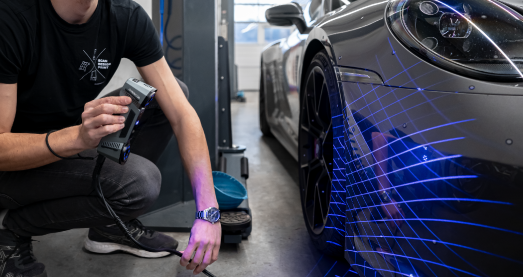
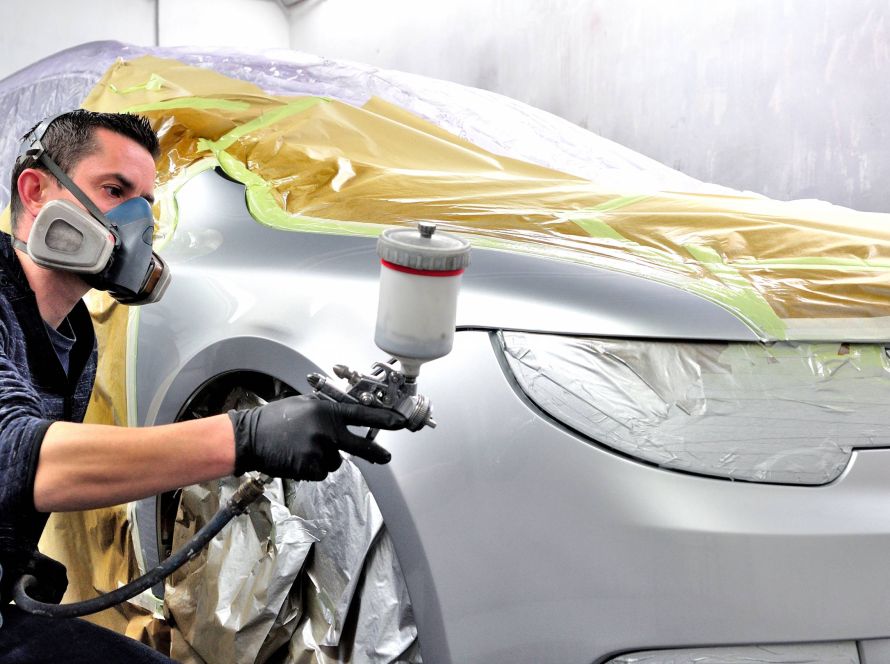
The collision repair industry is undergoing a technological revolution. As vehicles become more complex with advanced materials, integrated electronics, and smart safety systems, traditional repair methods are being replaced—or enhanced—by cutting-edge innovations. From AI-powered diagnostics to 3D printing and augmented reality, the future of collision repair is faster, safer, more precise, and more connected than ever. For repair shops, technicians, insurers, and customers alike, understanding these emerging technologies is essential to keeping pace with a rapidly changing automotive world.
ADAS and the Need for Calibration
Advanced Driver Assistance Systems (ADAS) are now standard in many modern vehicles. Features like automatic emergency braking, lane keeping assist, blind spot monitoring, and adaptive cruise control rely on sensors, radar, and cameras integrated into the vehicle body. After a collision—even a minor one—these systems often require recalibration to function properly. The future of collision repair will see greater integration of ADAS calibration stations, automated alignment tools, and software-driven diagnostics to ensure these life-saving systems are restored to factory standards.
AI and Computer Vision in Damage Assessment
Artificial intelligence is transforming how damage is assessed after an accident. Many insurers and repair facilities now use AI-driven photo analysis tools that allow customers to submit images of the damage via smartphone. Within seconds, these systems can identify damage severity, estimate costs, and even recommend repair procedures. As machine learning models improve, this technology will drastically speed up the claims process and reduce human error. Shops that integrate AI tools can streamline estimates and improve transparency with both insurers and customers.
Augmented Reality and Technician Training
Augmented reality (AR) is finding a place in collision repair by enhancing training and repair accuracy. With AR headsets or tablets, technicians can overlay OEM repair procedures, torque specs, and wire diagrams directly onto the vehicle as they work. This reduces the need to constantly consult manuals and minimizes the risk of missing a step. As AR becomes more affordable and widespread, expect it to become a standard tool in advanced repair centers, boosting technician efficiency and improving repair outcomes.
3D Printing for Parts and Tools
One of the most promising innovations is the use of 3D printing to fabricate replacement parts and custom repair tools on-demand. This is especially useful for rare or discontinued vehicles where OEM parts may be hard to source or take weeks to arrive. With a 3D printer, shops can produce clips, brackets, and interior trim pieces within hours, reducing downtime and increasing customer satisfaction. As materials and printers improve, more structural components and advanced composite parts will be safely printable and usable in certified repairs.
Aluminum and Composite Repair Advancements
With automakers increasingly turning to aluminum, carbon fiber, and high-strength composites to improve fuel economy and safety, repair shops are adapting with specialized tools, techniques, and training. Traditional welding methods may no longer be suitable, requiring riveting, bonding, or laser welding instead. Dedicated workspaces for aluminum repair, contamination control, and updated technician certifications are becoming standard. The future will bring more automated equipment and real-time quality control systems to handle these advanced materials with precision.
Robotic Repair Assistance
While fully autonomous bodywork robots are still a few years away, robotic assistance is already entering the shop floor. Systems that help with sanding, painting, or panel alignment are being tested in larger facilities. These machines offer consistent performance, reduce technician fatigue, and enhance finish quality. As costs come down, robotic arms may become commonplace for repetitive tasks—allowing skilled technicians to focus on diagnostics and specialized repair areas.
Blockchain and Digital Repair Records
Blockchain technology is also finding a foothold in the collision industry through secure digital vehicle histories. By storing repair records on a decentralized blockchain ledger, shops can create tamper-proof documentation of work performed, parts used, and calibration results. This increases transparency for buyers and insurers, builds trust in used vehicle transactions, and helps meet OEM and insurer documentation standards. In the future, digital vehicle identity and repair logs may be as important as a car’s VIN.
Electric Vehicle (EV) Repair Challenges
The rise of electric vehicles introduces new repair challenges that require specialized training and tools. High-voltage systems, battery packs, and unique chassis designs mean that repairing an EV isn’t the same as fixing a traditional gas-powered car. Shops must invest in EV-safe equipment, safety protocols, and technician education to handle these high-tech machines. As EV adoption grows, collision centers equipped for EV repairs will stand out and become essential service providers in their communities.
Final Thoughts
The future of collision repair is being shaped by innovation across every aspect of the industry. From diagnostics and part fabrication to training and customer service, technology is enabling more accurate, efficient, and environmentally responsible repairs. For body shops, staying competitive will mean embracing these advancements and continuously adapting to new vehicle technologies. For customers, these innovations promise safer, faster, and more reliable repairs. The vehicles of tomorrow demand the repair capabilities of tomorrow—and the future is already arriving in shops around the world.