Motorcycles offer a sense of freedom and adrenaline unmatched by most other vehicles, but they also come with a higher risk of injury and death in the event of a crash. Unlike cars, motorcycles provide little physical protection, leaving riders more vulnerable during accidents. That’s why motorcycle safety is not just about avoiding collisions—it’s also about increasing your chances of surviving them. Whether you’re a new rider or a seasoned enthusiast, adopting the right safety strategies can dramatically reduce your risk and make every ride safer.
Understanding the Risks
Motorcyclists are 28 times more likely to die in a crash compared to occupants of passenger vehicles, according to the National Highway Traffic Safety Administration (NHTSA). The lack of protective structures, smaller vehicle size, and lower visibility to other drivers contribute significantly to this risk. Many motorcycle accidents aren’t caused by the rider—they’re caused by other motorists who fail to see or yield to motorcycles. Recognizing the dangers and being proactive is critical to preventing and surviving these incidents.
Wear the Right Gear Every Time
The most important safety measure any rider can take is wearing protective gear. A DOT-approved helmet reduces the risk of head injury by 69% and the risk of death by 42%. Beyond helmets, riders should wear abrasion-resistant jackets, pants, gloves, and boots designed specifically for motorcycle use. Bright colors or reflective materials increase visibility, especially during night riding. In the event of a crash, quality gear can be the difference between a few bruises and life-threatening injuries.
Be Visible and Predictable
Motorcycles are harder to see than cars, and their slim profile can disappear in blind spots or get lost in background clutter. To stay safe, make yourself as visible as possible. Use your headlights day and night. Wear high-visibility gear. Avoid lingering in other vehicles’ blind spots. Use your turn signals and hand signals clearly and early. The more predictable your actions, the easier it is for drivers to anticipate and avoid collisions.
Ride Defensively, Always
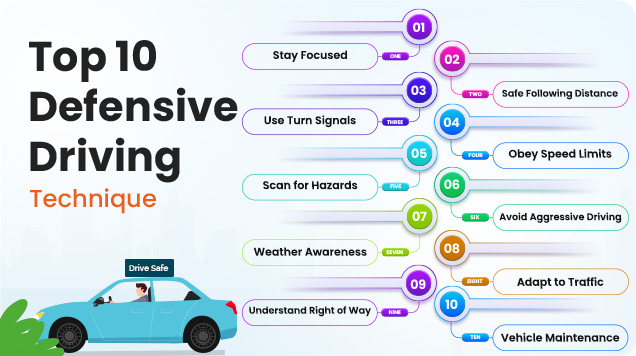
Assume that other drivers don’t see you. This simple mindset can save your life. Defensive riding means scanning intersections, watching for turning vehicles, and anticipating lane changes from distracted or unaware drivers. Maintain a safe following distance and avoid riding between lanes or weaving through traffic. Always be ready to brake, swerve, or accelerate out of danger. Stay alert and look two to three vehicles ahead to spot potential hazards early.
Never Ride Impaired or Distracted
Operating a motorcycle requires full mental and physical control. Riding under the influence of alcohol or drugs is not only illegal—it’s deadly. Impairment slows your reaction time, impairs judgment, and makes coordination more difficult. Similarly, riding while distracted by a phone or Bluetooth device increases the chances of missing critical road cues. Stay focused, stay sober, and save the celebration for after you’ve safely parked.
Manage Speed and Space
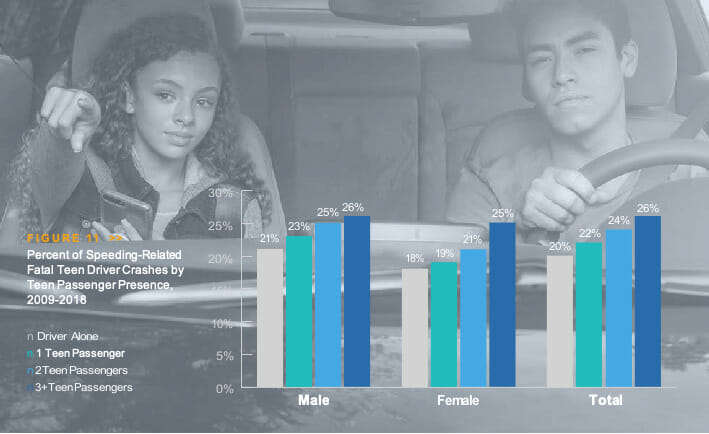
Excessive speed is a leading factor in motorcycle crashes. Higher speeds reduce your ability to react to obstacles, increase braking distance, and amplify the severity of injuries in a crash. Ride at speeds appropriate for the traffic, road conditions, and your experience level. Keep a safety buffer between you and other vehicles—especially in intersections and on highways, where sudden stops and unpredictable movements are common.
Train and Practice Regularly
Taking a certified motorcycle safety course is one of the best investments a rider can make. These courses teach essential skills such as emergency braking, counter-steering, swerving, and low-speed maneuvering. Even experienced riders benefit from advanced training that sharpens reflexes and improves road judgment. Practicing regularly in a controlled environment builds confidence and muscle memory, preparing you for unexpected situations on the road.
Know How to Fall and What to Do After a Crash
While the goal is to prevent collisions, knowing how to fall properly can minimize injury if the worst happens. If a crash is inevitable, try to avoid bracing with your arms, which often results in fractures. Instead, aim to roll with the momentum, keeping limbs tucked in. After a crash, prioritize your health—move to a safe area if you can, check yourself for injuries, and call emergency services. Even if you feel fine, internal injuries or concussions may not be immediately obvious.
Maintain Your Motorcycle
Mechanical issues can lead to crashes just as easily as human error. Before every ride, perform a quick inspection: check tire pressure and tread, test your lights and signals, inspect brakes, and make sure all controls and cables are functioning smoothly. Regular maintenance and servicing not only extends the life of your bike but ensures it responds as expected in critical moments.
Final Thoughts
Riding a motorcycle doesn’t have to be dangerous, but it does demand heightened awareness, responsibility, and preparation. By committing to proper gear, safe riding habits, defensive strategies, and continuous training, you significantly lower your risk of collisions and increase your chances of walking away if one occurs. Every time you start your engine, remember: your safety starts long before your wheels begin to move. Ride smart, ride safe, and always stay one step ahead of the unexpected.