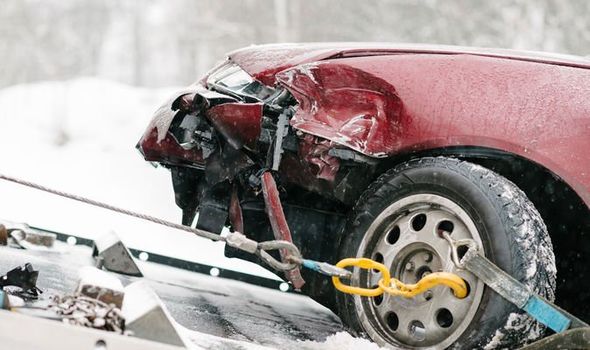
When your vehicle needs collision repair or bodywork, one of the first decisions you’ll face is whether to go with a dealership body shop or an independent repair shop. Both options offer advantages, but they also come with potential drawbacks depending on your vehicle type, insurance situation, and personal preferences. In this post, we break down the pros and cons of dealership vs independent body shops so you can make the best decision for your needs.
What Is a Dealership Body Shop?
A dealership body shop is owned and operated by a vehicle manufacturer’s franchised dealer. These facilities focus primarily on repairing the brand(s) they sell—such as Toyota, Ford, BMW, or Honda—and typically use OEM (Original Equipment Manufacturer) parts and factory repair procedures.
What Is an Independent Body Shop?
Independent auto body shops are locally owned businesses not affiliated with a particular vehicle manufacturer. They may work on all makes and models, use a mix of OEM and aftermarket parts, and often provide more flexible pricing and repair options.
Dealership vs Independent Body Shops: Side-by-Side Comparison
| Feature | Dealership Body Shop | Independent Body Shop |
|---|---|---|
| OEM Parts Usage | Always or mostly uses OEM parts | Offers OEM, aftermarket, or used options |
| Technician Training | Brand-specific factory-trained technicians | Varies; may include ASE/I-CAR certified techs |
| Specialization | Repairs focused on specific vehicle makes | Works on all brands and models |
| Price Range | Usually higher due to labor and OEM part costs | Often more affordable and negotiable |
| Warranty on Work | Often longer and backed by manufacturer | Depends on the shop; varies in length and coverage |
| Insurance Collaboration | May only work with certain insurers | Often works with a broader range of providers |
| Turnaround Time | Can be slower due to volume and part sourcing | Usually quicker depending on workload and resources |
| Customer Service | Corporate-style structure, sometimes less personal | Often more personalized and flexible service |
| Convenience & Location | Often located near car dealerships | Available in more neighborhoods |
Pros of Choosing a Dealership Body Shop
- Brand-Specific Expertise: Technicians are trained to follow factory repair standards for your exact vehicle make and model.
- Guaranteed OEM Parts: Dealerships typically use 100% OEM parts, preserving vehicle warranty and resale value.
- Warranty-Backed Repairs: Many offer warranties backed by the manufacturer, adding peace of mind.
- Better for Lease or Warranty Work: Ideal if your vehicle is under warranty or you’re returning a leased car.
Cons of Choosing a Dealership Body Shop
- Higher Costs: Labor rates and parts can be more expensive than independent shops.
- Limited Insurance Flexibility: Some may not work with all insurers or may prioritize certain carriers.
- Less Personalized Service: Dealerships can be more rigid or bureaucratic in customer interactions.
- Longer Wait Times: Dealerships often have more volume and stricter part sourcing protocols, which can delay repairs.
Pros of Choosing an Independent Body Shop
- Competitive Pricing: More affordable labor rates and flexible parts options can significantly reduce costs.
- Broad Insurance Compatibility: Many work directly with a wide range of insurance providers.
- Faster Turnaround: Less red tape and more direct decision-making can lead to quicker repairs.
- Personalized Service: Independents often offer better customer service, with owners involved in day-to-day operations.
Cons of Choosing an Independent Body Shop
- Varying Quality Standards: Not all independent shops are equal—some may lack advanced training or equipment.
- Potential Use of Lower-Quality Parts: Some may use cheaper aftermarket or used parts unless specified otherwise.
- Shorter or No Warranty: Warranty coverage may be limited or less standardized than at a dealership.
- Less Brand Familiarity: Technicians may not have deep experience with certain makes or high-tech vehicles.
When to Choose a Dealership Body Shop
- Your vehicle is still under manufacturer warranty
- You’re repairing a luxury, electric, or high-tech car (e.g., Tesla, BMW, Mercedes)
- You’re returning a leased vehicle and need brand-certified repairs
- You want 100% OEM parts and factory-standard restoration
When to Choose an Independent Body Shop
- You want to save on repair costs without sacrificing quality
- Your vehicle is older or out of warranty
- You’re dealing with an insurance claim and need fast, flexible support
- You value personalized service and open communication
Final Thoughts
Both dealership and independent body shops can offer excellent service—if you know what to look for. The right choice depends on your priorities: OEM precision vs cost savings, warranty confidence vs convenience, and brand loyalty vs flexibility. No matter which route you choose, always check reviews, confirm certifications (like I-CAR and ASE), and get a written estimate and warranty details in advance. Informed decisions lead to safer repairs and better long-term value.