As vehicles become more advanced, so does the technology needed to repair them correctly. One of the most revolutionary tools in modern collision repair is 3D scanning—a high-precision, computer-driven method of measuring vehicle damage down to the millimeter. Gone are the days of relying solely on visual inspections or manual measurements. With 3D scanning, technicians can identify hidden structural issues, verify repair accuracy, and ensure the vehicle is restored to exact manufacturer specifications. This not only enhances repair quality but also improves safety, efficiency, and customer satisfaction.
What Is 3D Scanning and How Does It Work?
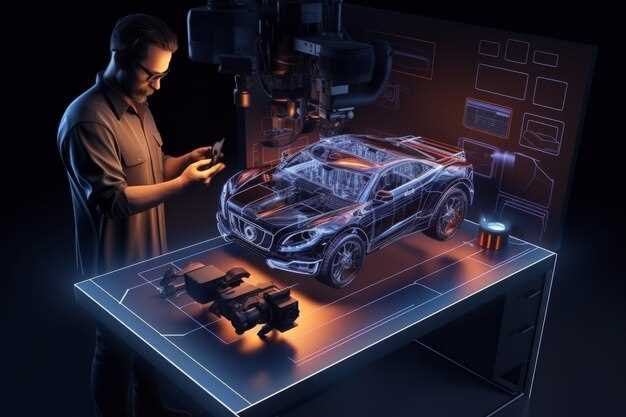
3D scanning in collision repair uses laser or structured-light technology to create a highly detailed digital model of a vehicle. The scanner projects thousands of data points across the surface of the car, capturing its contours, panel alignment, gaps, and structural integrity in three dimensions. This data is then compared to the original manufacturer specifications using specialized software. Any deviation—no matter how small—is immediately detected, allowing repair teams to identify damage that might otherwise go unnoticed during a manual inspection.
Why Precision Measurement Matters
Even minor collisions can throw a vehicle’s frame or alignment off by a few millimeters. While these differences may not be visible to the naked eye, they can drastically affect handling, tire wear, safety system performance, and crash protection. Traditional measuring tools may not catch subtle twists or misalignments in the chassis or unibody. 3D scanning, on the other hand, captures the full geometry of the car and ensures repairs are completed with surgical accuracy. In the age of Advanced Driver Assistance Systems (ADAS) and crash-tested safety engineering, restoring factory specs isn’t a luxury—it’s a necessity.
Benefits of 3D Scanning in the Repair Process
The biggest advantage of 3D scanning is accuracy. By pinpointing exactly where structural components are bent or out of alignment, technicians can target their repairs precisely, reducing guesswork and rework. It also increases efficiency by speeding up the assessment phase—damage that may have taken hours to identify manually can now be captured and analyzed in minutes. Additionally, the digital scans serve as documented proof of damage and repair quality, which is beneficial for insurance claims and customer transparency. Technicians can also track progress throughout the repair process by performing pre-repair, mid-repair, and post-repair scans.
Enhancing Insurance and Customer Confidence
For insurance providers, 3D scans offer a reliable, data-backed damage report that helps eliminate disputes and validate estimates. This level of transparency improves claim approval times and fosters trust between the repair shop, the insurer, and the customer. For vehicle owners, being shown a 3D scan of the damage and how it was corrected provides peace of mind that their car has been fully restored—not just visually, but structurally. It adds a level of professionalism and credibility to your repair services that sets your shop apart from competitors.
Use Cases Beyond Structural Repairs
3D scanning is not limited to frame straightening or unibody repairs. It’s also useful for panel fitment, gap alignment, door and hood calibration, and even measuring suspension geometry. As vehicle designs become more aerodynamic and precise, panel fit plays a critical role in aesthetics, performance, and aerodynamics. 3D scanning ensures that every surface is aligned as intended. Additionally, it assists with pre-alignment measurements before suspension or steering work is performed, ensuring the vehicle’s dynamic performance remains intact.
Future-Proofing Collision Repair Shops
Incorporating 3D scanning technology isn’t just about staying current—it’s about future-proofing your repair facility. With the rise of electric vehicles, advanced composites, and tighter OEM tolerances, traditional repair techniques are becoming outdated. Shops that embrace digital measuring and scanning position themselves as leaders in quality and innovation. This investment signals to both insurers and customers that your facility is equipped to handle today’s—and tomorrow’s—vehicle repair demands.
Final Thoughts
3D scanning has redefined the standard for collision repair precision. It empowers technicians with the tools they need to diagnose, document, and correct vehicle damage with unparalleled accuracy. More than just a technological upgrade, 3D scanning is a commitment to excellence, safety, and customer confidence. As vehicles continue to evolve, so must the methods we use to care for them. If you’re looking for the highest level of repair accuracy and structural assurance, make sure your collision center is equipped with this powerful technology.